Atac aerian americano-israelian lovește podul B1 de lângă Tehran, ucigând două persoane



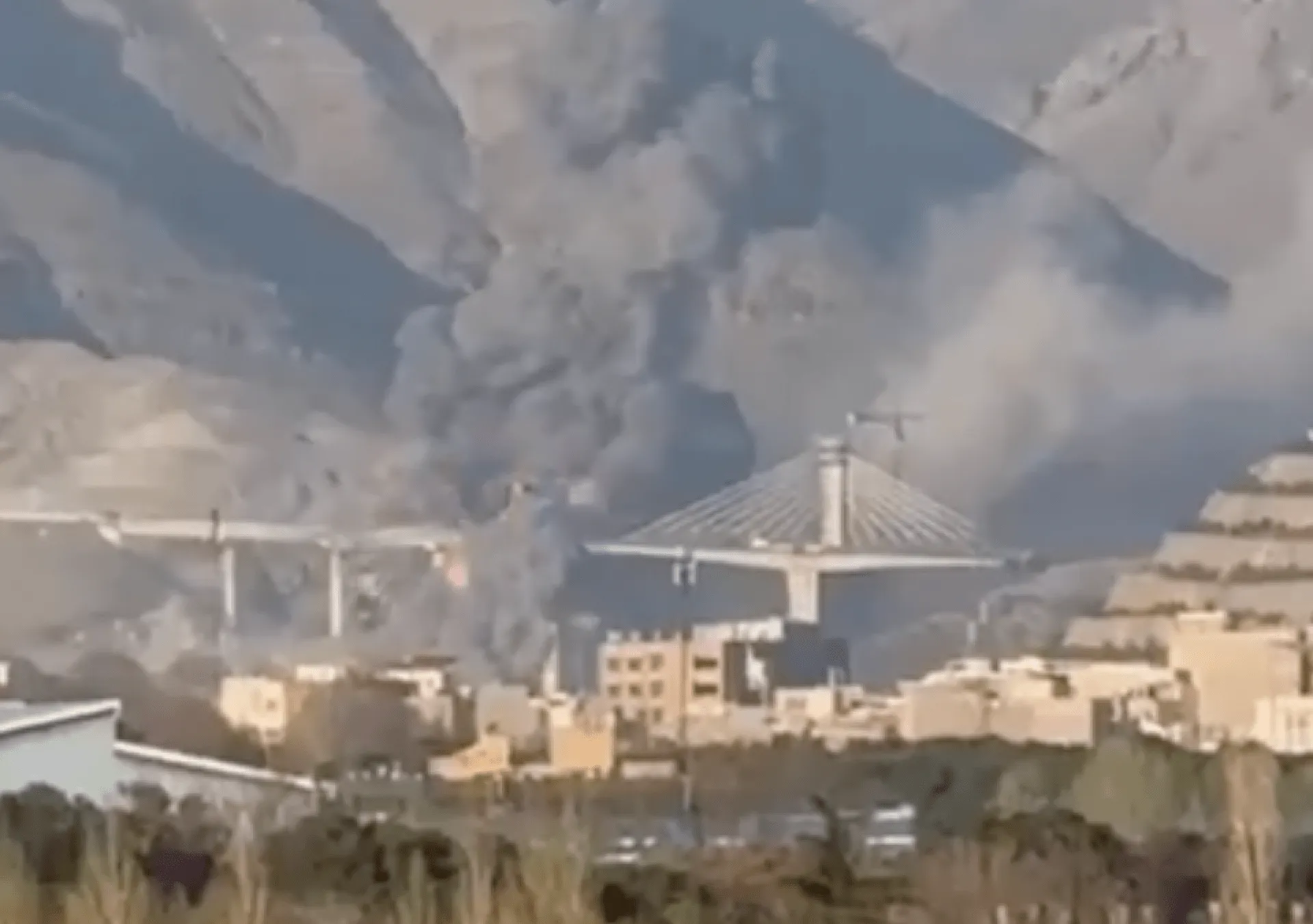
Un atac aerian conjoint americano-israelian a vizat podul B1 situat în Karaj, vest de Tehran, ucigând cel puțin două persoane și rănind mai multe altele, conform autorităților iraniene. Acest pod major de autostradă, descris ca fiind cel mai înalt pod din Orientul Mijlociu, urma să fie inaugurat în curând și a suferit daune semnificative în urma atacului.Incidentul marks a significant escalation in the ongoing tensions between the United States, Israel and Iran, representing one of the most audacious strikes conducted jointly by the two allies in recent memory. The targeting of critical infrastructure so close to the Iranian capital demonstrates the reach and precision of american-israeli military capabilities.The B1 bridge, an engineering marvel that has been under construction for several years, was poised to become a symbol of Iran's technological and infrastructural advancement. Standing as the tallest bridge structure in the entire Middle East region, it represented not only a crucial transportation link but also a matter of national pride for the Islamic Republic.Authorities in Tehran confirmed that the strike occurred during the early hours of the morning, when traffic on the bridge was relatively light, which may have contributed to the relatively low casualty count. Emergency services rushed to the scene, working through the night to rescue survivors and recover the bodies of those who perished in the attack.The bridge, which was scheduled to be inaugurated in the coming weeks, was expected to significantly improve transportation between Tehran and the western provinces of Iran. Its strategic importance cannot be overstated, as it would have facilitated the movement of both commercial goods and civilian traffic through what has become an increasingly vital corridor.Eyewitnesses in Karaj reported seeing multiple explosions and hearing loud explosions that echoed throughout the area. The precision of the strike suggested that the attackers had detailed intelligence about the bridge's structure and its significance, indicating a sophisticated level of operational planning and reconnaissance.Iranian officials have strongly condemned the attack, describing it as an act of aggression that violates international law and the sovereignty of the Islamic Republic. The government has promised a decisive response, though the specific nature of this response remains unclear at this time.The strike on the B1 bridge comes amid heightened tensions in the region, with the United States and Israel both indicating that they would take aggressive action to prevent Iran from developing nuclear weapons or expanding its regional influence. The bridge's destruction sends a clear message about the willingness of these nations to target critical infrastructure.International reactions have been mixed, with some countries calling for restraint while others have expressed support for the actions taken. The United Nations Security Council is expected to hold an emergency meeting to discuss the situation, though any formal resolution seems unlikely given the deep divisions among the permanent members.Military analysts suggest that the choice of the B1 bridge as a target was not coincidental. Beyond its symbolic importance as a record-breaking structure, the bridge represents a key node in Iran's transportation network. Its destruction will have immediate practical implications for the country's logistics and supply chains.The attack also highlights the evolving nature of modern warfare, where precision strikes on civilian infrastructure can achieve strategic objectives without the need for large-scale ground invasions. This approach, while controversial, has become a hallmark of american-israeli military strategy in the region.As Iran assesses the damage and begins the process of recovery, questions are being raised about the future of similar infrastructure projects in the country. The strike may serve as a deterrent to large-scale construction initiatives that could be perceived as threatening by the United States and Israel.The incident has also reignited debates about the role of international law in regulating conflicts between nations. Critics argue that attacks on infrastructure, even in times of conflict, constitute violations of the Geneva Conventions and other international humanitarian laws.For the people of Karaj and the surrounding areas, the destruction of the B1 bridge represents a significant loss. Many had looked forward to the convenience and economic benefits that the new structure would bring. Now, they face the prospect of dealing with the aftermath of the attack for months or even years to come.The psychological impact of the strike should not be underestimated either. The fact that such a prominent structure could be destroyed by foreign forces has shaken the confidence of many Iranians in their country's ability to defend itself against external threats.Looking ahead, the incident is likely to have far-reaching consequences for the geopolitical landscape of the Middle East. The cycle of action and reaction between the United States, Israel, and Iran appears set to continue, with each side taking steps that further entrench their positions.As the situation develops, the international community watches with concern, hoping that some path to de-escalation can be found before the conflict spirals further out of control. The fate of the B1 bridge serves as a stark reminder of the human cost of ongoing tensions in the region.