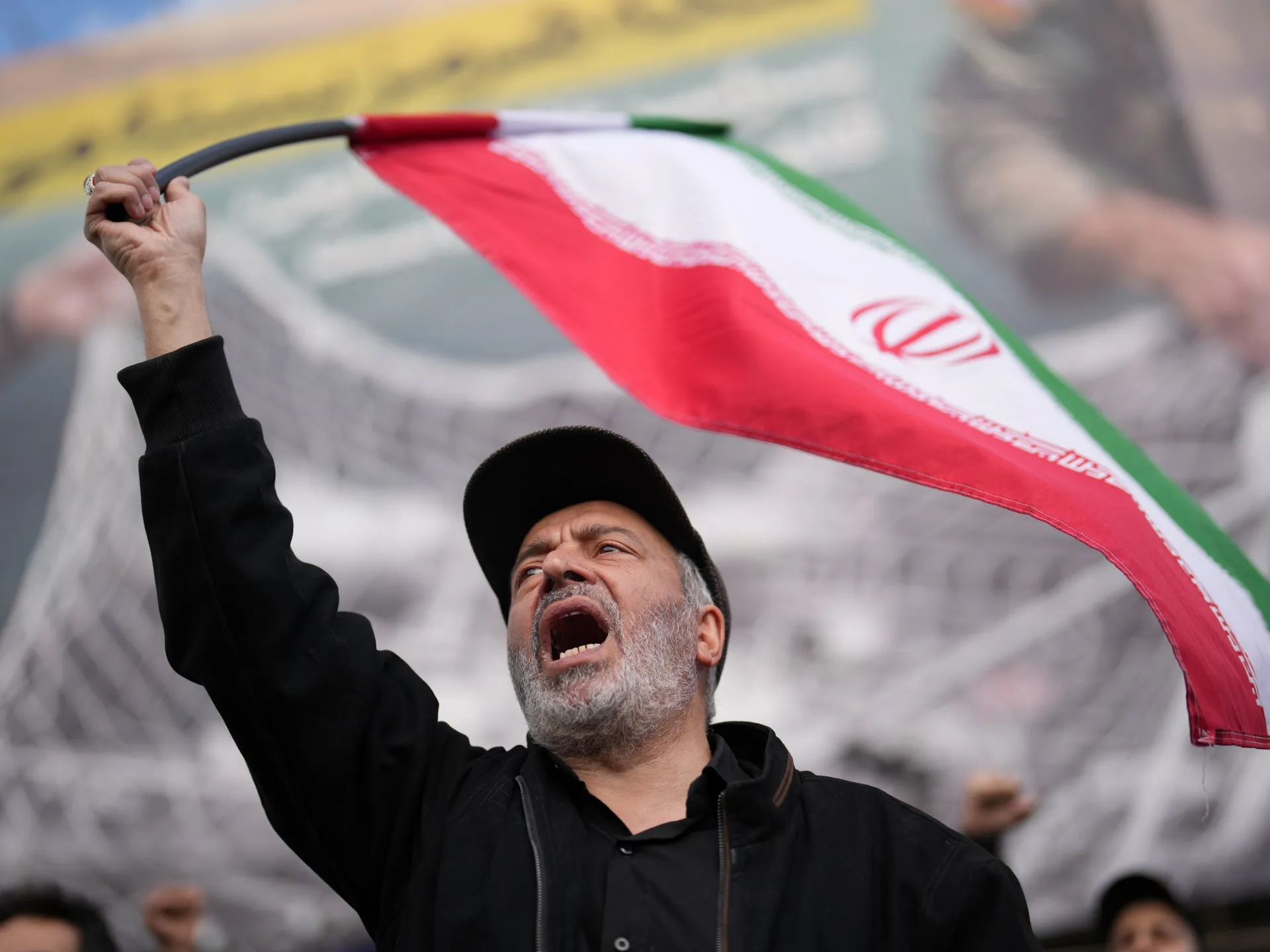


Statul Israel și-a manifestat susținerea pentru un armistițiu negociat între Statele Unite ale Americii și Iran, însă a clarificat în mod explicit că acest acord nu se aplică și în cazul frontierei nordice cu Libanul. Contrar așteptărilor comunității internaționale, raidurile aeriene și operațiunile militare israeliene pe teritoriul libanez nu au încetat, generând o stare de incertitudine profundă în rândul populației civile din zonele afectate.
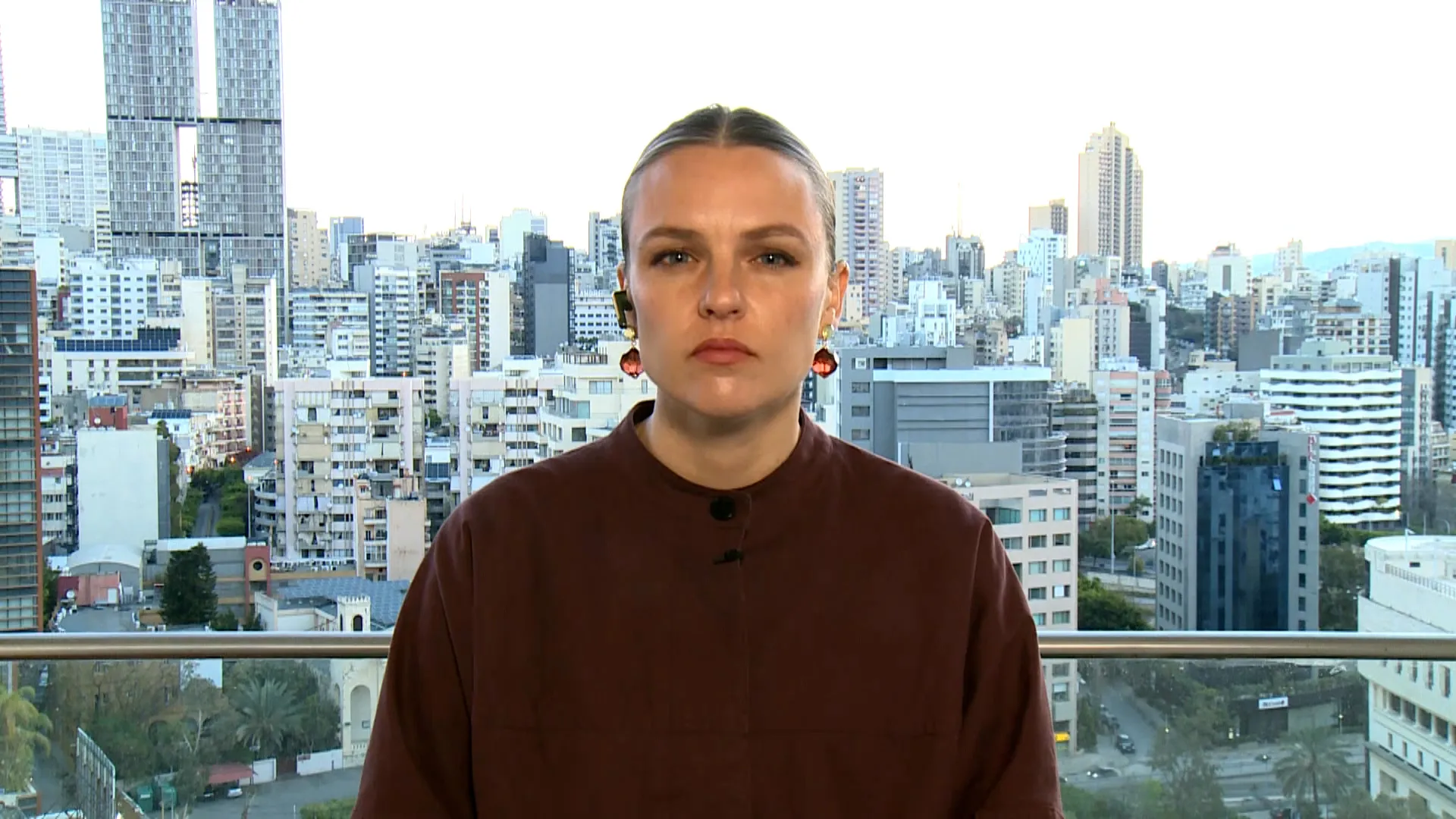
Într-un reportaj realizat de Heidi Pett pentru Al Jazeera, locuitorii din sudul Libanului au relatat experiențe cutremurătoare legate de violarea repetată a înțelegerilor de încetare a focului din trecut. Mulți dintre ei au declarat că nu mai au încredere în promisiunile de liniște și că trăiesc sub amenințarea constantă a noilor atacuri. Tensiunile acumulate de-a lungul lunilor de conflict au transformat regiunea într-un spațiu al nesiguranței absolute, unde mii de familii au fost nevoite să-și părăsească locuințele.
Displaced families continue to face harsh living conditions in temporary shelters, while aid organizations struggle to meet the growing humanitarian needs. International observers have expressed concern over the selective approach to ceasefire agreements, warning that excluding certain frontlines from peace negotiations could further destabilize the region and fuel cycles of violence that are difficult to contain.
The complex geopolitical landscape in the Middle East continues to present challenges for diplomats seeking lasting solutions. While the Iran-US deal represents a potential diplomatic breakthrough, analysts emphasize that sustainable peace in the region cannot be achieved if other active conflict zones are ignored or deliberately left out of broader negotiation frameworks.
The situation in Lebanon remains fragile, with economic hardships, political instability and now the ongoing military strikes creating a perfect storm of crisis. Humanitarian workers on the ground report that civilians are bearing the brunt of this continued violence, with essential infrastructure repeatedly targeted and basic services disrupted across large areas.
As Israel continues its operations in southern Lebanon, questions arise about the long-term strategic goals and whether the current approach will ultimately achieve the desired security outcomes or simply perpetuate instability in an already volatile region. Local leaders continue to call for an inclusive ceasefire that addresses all active frontlines, arguing that partial solutions are inherently unsustainable.
The international community watches closely as events unfold, with several nations urging all parties to return to negotiation tables and respect humanitarian law. Meanwhile, ordinary Lebanese citizens living near the border express exhaustion and a desperate desire for peace that seems increasingly elusive.
Libanul rămâne în afara armistițiului: loviturile israeliene continuă în ciuda acordului dintre SUA și Iran