

Mexican authorities have confirmed that two U.S. citizens killed in a car crash in the northern state of Chihuahua last Sunday were not authorized to conduct operational activities on Mexican soil, despite widespread reports identifying them as CIA officers involved in an anti-narcotics raid. The revelation, issued in a formal statement by Mexico’s security cabinet on Saturday, has ignited a diplomatic firestorm over the extent of unilateral U.S. intelligence and law enforcement operations within Mexico’s borders — and whether such actions violate national sovereignty and domestic security laws.
According to the Mexican government, one of the deceased individuals entered the country as a tourist, while the other held a diplomatic passport. Neither possessed formal accreditation to participate in operational activities within national territory, the statement emphasized, underscoring that any foreign agent seeking to engage in law enforcement or intelligence operations must first obtain explicit authorization from Mexican federal authorities. The statement further stressed the necessity of "absolute respect" for Mexican sovereignty in all forms of international cooperation, particularly in security matters.
The incident occurred during what authorities describe as a drug trafficking interdiction operation in Chihuahua, a state long plagued by cartel violence and a key transit route for narcotics bound for the United States. Two Mexican officials were also killed in the crash, raising immediate questions about the composition and legality of the joint operation. While U.S. Ambassador Ronald Johnson referred to the deceased as "embassy personnel" and praised their "mission" in a statement following the incident, the Chihuahua state attorney general described them as "instructor officers" engaged in routine training activities — a characterization that contradicts the implication of direct operational involvement in a raid.
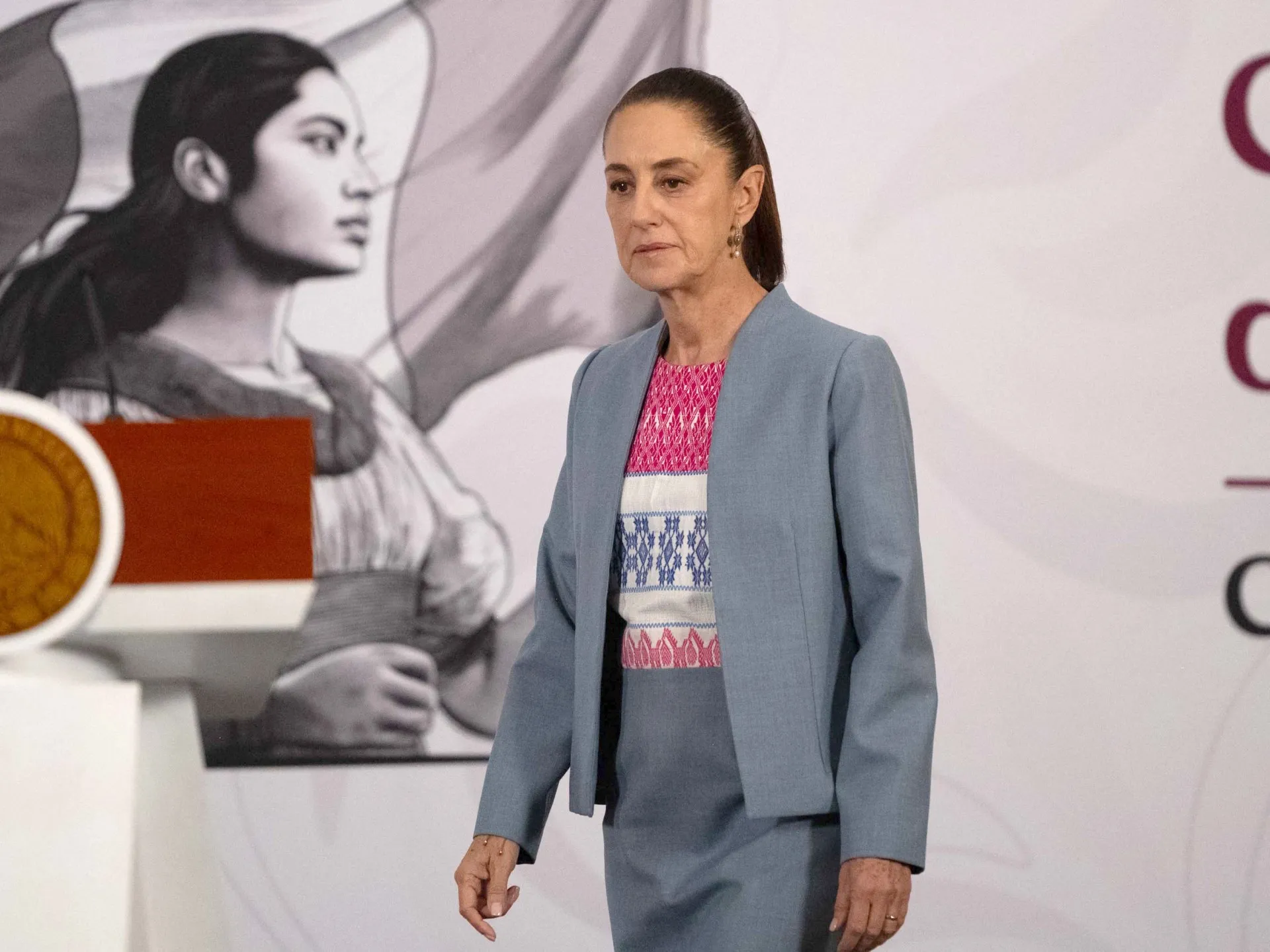
Mexican President Claudia Sheinbaum, who has consistently walked a tightrope between accommodating U.S. demands for more aggressive anti-drug trafficking measures and defending national sovereignty, confirmed earlier in the week that her government would investigate whether the country’s National Security Law had been violated. Under that law, foreign agents are prohibited from operating directly with Mexican officials without prior federal authorization, and any intelligence or law enforcement activity must be conducted under the supervision and approval of Mexican institutions.
"Evidently, the military didn’t know there were people participating who weren’t Mexican citizens… that there were foreigners participating in the operation," Sheinbaum told reporters, suggesting a significant breakdown in communication and oversight between U.S. entities and Mexican security forces. Her comments imply that even if some level of coordination was intended, the participation of these individuals occurred outside established protocols — potentially rendering the operation unlawful under Mexican law.
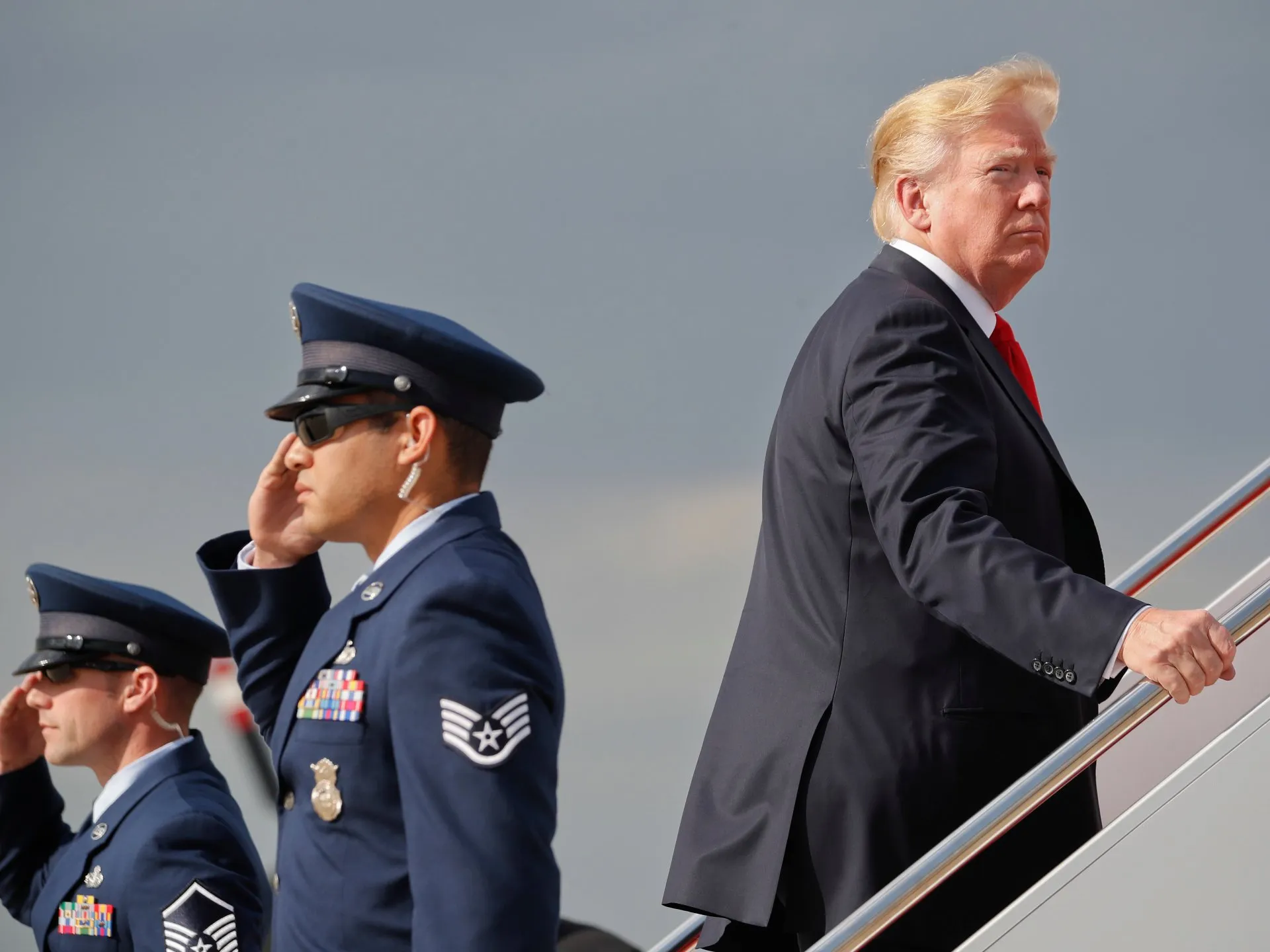
The U.S. government has not officially confirmed the identities or affiliations of the deceased, despite widespread media reports identifying them as CIA officers. Historically, the CIA’s mandate has centered on foreign intelligence collection related to national security threats, not direct involvement in domestic law enforcement operations — even in partner countries. However, under the Trump administration, there has been a marked shift toward militarizing counter-narcotics efforts, including the designation of certain drug cartels as "foreign terrorist organizations" and the unilateral launching of strikes against suspected drug smuggling vessels in the Caribbean. These actions have drawn sharp criticism from international legal experts and human rights organizations, who argue they violate principles of sovereignty, due process, and international law.
The situation is further complicated by the broader geopolitical context. The Trump administration has pursued a more assertive posture in Latin America, framing drug trafficking not merely as a criminal enterprise but as a national security threat requiring a military-style response. This approach has included pressure on allied nations to expand intelligence sharing, permit greater U.S. operational presence, and accept more aggressive interdiction tactics — often bypassing traditional legal and diplomatic channels.
Mexico’s security cabinet, in its Saturday statement, sought to reaffirm its willingness to cooperate with the United States — but strictly within legal and institutional frameworks. It welcomed coordination in the form of intelligence sharing, institutional collaboration, and technical assistance, while making clear that any operational activity on Mexican soil must comply with Mexican law and require explicit authorization. This position reflects a growing insistence in Mexico City that cooperation cannot come at the expense of sovereignty or legal accountability.
The deaths of the two U.S. individuals, alongside their Mexican counterparts, have become a flashpoint in the evolving dynamics of U.S.-Mexico security relations. While both countries share a profound interest in dismantling powerful cartels that fuel violence and addiction across borders, the incident raises critical questions about transparency, accountability, and the limits of foreign involvement in domestic security operations. If U.S. agents were indeed participating in a raid without proper authorization — whether knowingly or due to procedural failure — it would represent not only a breach of Mexican law but a potential erosion of trust in bilateral cooperation.
As investigations continue, the incident serves as a stark reminder that effective security partnerships must be built on mutual respect, legal clarity, and strict adherence to national sovereignty — especially when lives are lost in the pursuit of shared objectives.
Mexican Government Confirms Two U.S. Agents Killed in Chihuahua Crash Were Not Authorized to Operate on Its Territory